Skip to content

Understanding the difference between under deck roofing and under deck waterproofing helps homeowners choose the solution that best fits their goals. Under deck roofing systems are designed to create a finished, livable space beneath the deck, often featuring solid ceiling panels, integrated drainage, and design options that enhance visual appeal. These systems are ideal for homeowners who want an actual outdoor room for dining, lounging, or entertaining.
Under deck waterproofing, on the other hand, focuses primarily on moisture control. It uses membranes and drainage channels to prevent water from dripping below, but does not typically create a finished ceiling. Waterproofing can often be retrofitted to existing decks and is a cost effective option when aesthetics are secondary to protection.
Understanding the difference helps you choose the right solution:
- Functionality: Roofing creates a livable space; waterproofing prevents leaks.
- Materials: Roofing uses solid panels; waterproofing uses membranes.
- Installation: Roofing requires support structures; waterproofing can be retrofitted to existing decks.
The Cost Breakdown Every Homeowner Should Know

Under-deck roofing projects typically range from $3,000 to $10,000, depending on the deck’s size, height, material selection, and design complexity. Premium finishes, integrated lighting, ceiling fans, or custom drainage solutions can increase overall costs, while simpler waterproofing only systems tend to be more budget-friendly.
When planning your investment, it’s important to account for labor, materials, permits, and long term maintenance. Professional installation may cost more upfront, but it reduces the risk of water damage, structural repairs, or premature system failure. High quality materials and expert craftsmanship also extend the lifespan of the system, delivering better performance, fewer repairs, and greater return on investment over time.
Professional Tips to Get a Long – Lasting, Trouble-Free System
With the right approach, you can guarantee a trouble free experience and enjoy your outdoor space for years to come.
Seasonal Maintenance You Shouldn’t Skip
Here are three key tasks you shouldn’t skip:
- Clear debris from the under deck area to prevent water pooling.
- Inspect joints, seals, and membranes for wear.
- Clean gutters to ensure proper drainage.
Red Flags When Hiring an Installer
When you’re ready to install your structure, it’s essential to recognize the red flags that could indicate a less than reputable installer. Avoid installers who provide vague estimates, lack insurance, or push for quick decisions. Trustworthy contractors provide references, detailed plans, and transparent communication.
Common Problems Homeowners Face and How Pros Prevent Them
Here are common problems homeowners face and how pros prevent them:
- Water Pooling: Proper drainage design prevents stagnation.
- Moisture Buildup: Ventilation reduces humidity and the risk of mold growth.
- Material Failure: High quality, durable materials ensure longevity.
Final Thoughts: Design Ideas to Transform the Space Under Your Deck
Ready to turn the space under your deck into a dry, functional extension of your home? A professionally installed under deck roofing system protects your investment, adds usable square footage, and enhances outdoor comfort year round. Contact a trusted remodeling professional today to explore custom options and get a quote tailored to your home.
With the proper under deck support, your outdoor space becomes versatile, attractive, and protected year round.
Want a clean, protected outdoor area you can enjoy year round? All Pro Thornton Deck Builders are here to help. Get your free quote and explore custom under deck roofing options.
FAQ: Homeowner Questions About Under Deck Roofing Systems
1. How long does an under-deck system last?
Under-deck roofing systems typically last 15–25 years, depending on material quality, installation, and maintenance. High quality aluminum or vinyl panels are extremely durable, resisting rot, corrosion, and UV damage. Proper drainage and seasonal maintenance, such as clearing debris and checking seals, can extend the system’s lifespan.
2. Can you install one on an older deck?
Yes, most older decks can accommodate an under deck roofing system, provided the structure is still sound. Before installation, a professional should inspect the deck for signs of rot, loose boards, or structural weaknesses. Minor repairs or reinforcements may be necessary to ensure safety and stability. Once assessed, installation can proceed, giving your older deck a functional and stylish upgrade.
3. Is it worth it in rainy or snowy climates?
Absolutely. In regions with frequent rain or snow, an under deck roofing system protects your deck from moisture, prevents rot, and keeps the space below usable year round. The benefits include:
Protection: Diverts water and prevents ice damage.
Usability: Allows you to enjoy the outdoor space even during storms.
Value: Enhances home appeal by adding a versatile, protected area.
4. Can lighting or ceiling fans be added safely?
Yes. Installing weather-resistant lighting or fans under your deck is possible, but requires proper planning. Hire a licensed electrician to ensure fixtures are installed safely and rated for outdoor use. Correct placement ensures airflow and adequate lighting and avoids electrical hazards, enhancing comfort and functionality.
5. Does under-deck roofing prevent deck rot?
Yes. The system channels water away from deck surfaces, reducing moisture accumulation. Combined with ventilation and durable materials, it protects wood or composite decking from decay. This preventive measure significantly extends your deck’s lifespan and lowers long term maintenance costs.
6. What’s the recommended height clearance for installation?
Most systems require 8–10 feet of clearance for proper drainage and airflow. Adequate height prevents water pooling and allows installation of lighting or ceiling fans. In lower clearance areas, a professional can design a custom solution to maintain functionality without compromising aesthetics
Every year, homeowners invest thousands into decks they can only enjoy when the weather cooperates. Rain turns the space below into a muddy afterthought, snow limits usability for months, and valuable square footage goes unused. An under deck roofing system changes that equation. It doesn’t just protect what’s beneath your deck it transforms wasted space into a dry, livable extension of your home that works in every season. When designed and installed correctly, it becomes one of the smartest outdoor upgrades you can make.
If you’ve ever looked under your deck and thought about all that wasted space, you’re not alone. That area can quickly become muddy, cluttered, or just plain unusable when it rains or snows. That’s where under deck roofing comes in. By keeping the space dry and protected, you turn a neglected corner of your yard into a cozy, functional spot for relaxing, entertaining, or extra storage.
Understanding how it works, the benefits it offers, and what to consider before installation will help you maximize your outdoor space’s potential. Let’s take a closer look at what under deck roofing is and how it can improve your outdoor living space today!
What Under-Deck Roofing Means for Your Outdoor Living Space
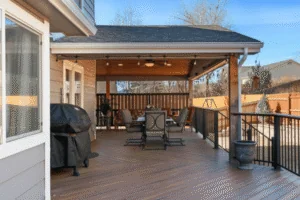
This structure turns the underside of your deck into a usable, sheltered space. This system channels rainwater and debris away, preventing leaks and creating a dry area beneath your deck. Many homeowners also use it to enhance the look of their outdoor space. A finished under deck ceiling can serve as a cozy lounge, dining area, or even a play space for kids, protected from the elements.
How the System Works
These roofing systems combine drainage panels, waterproof membranes, and a strategic slope to divert water away from your home safely. Rain or snow falling on the deck above is channeled to the gutters or drainage points. This prevents water from dripping onto furniture, creating puddles, or seeping into the foundation. Under deck waterproofing ensures durability, keeping your outdoor area dry and protected year round.
Why Homeowners Choose It
Homeowners value this under deck approach for both function and style. An under deck roofing system creates a finished look while protecting the space below, making it more usable. It provides shelter for gatherings during rainy days, reduces maintenance on deck furniture, and prevents moisture damage to the deck structure.
The Key Benefits That Make an Under-Deck Ceiling Worth It
Let’s explore these key benefits in detail.
Gain a Fully Functional Outdoor Room
Installing an under-deck roofing system creates a dry, comfortable outdoor room. Whether you want a dining area, a lounge, or a reading nook, this system enhances your backyard’s usability, even in inclement weather. By maximizing usable space, you also increase your home’s value and appeal to potential buyers.
Protection and Longevity for Your Deck Structure
A deck ceiling shields your deck from moisture and UV damage, extending its lifespan. Key benefits include:
- Water Protection: Diverts rain and snow to reduce the risk of rot and mold.
- Weather Resistance: Protects against sun and ice damage.
- Durability: Extends the service life of deck materials, reducing repair costs.
Adding Home Value Through Improved Space Utilization
By creating a dry and usable space under your deck, you transform previously neglected areas into functional rooms. This improved space utilization enhances your property’s appeal and makes your home more attractive to potential buyers.
How an Under-Deck Waterproofing System Works (Step by Step)
Let’s break down each step so you know exactly what to expect.
The Layered System That Keeps Water Out
A professional under deck insulation system works in layers:
- Waterproof Membrane: Provides a barrier to prevent moisture from seeping through.
- Drainage System: Channels water to designated outlets.
- Sloped Design: Ensures water flows away efficiently.
This approach prevents leaks and pooling, keeping your space dry even during heavy rain.
Installation Process From a Contractor’s Perspective
Local deck builders begin by inspecting and preparing the deck surface. Drainage panels are installed first, followed by the waterproof membrane. Finally, the under deck ceiling material is added, ensuring everything is secure and properly sealed. Professional installation guarantees durability and optimal water management.
Choosing the Options and Providers
Choosing the best materials and design options for your roofing can significantly affect the functionality and aesthetics of your outdoor space. When selecting materials, consider:
- Durability: Aluminum and vinyl resist rot and corrosion.
- Style: Match the ceiling design to your home’s architecture.
- Drainage Solutions: Ensure proper water management to prevent issues.
Why Under-Deck Roofing Should Be Installed by a Professional Remodeler
While under deck roofing systems may appear straightforward, proper installation requires more than attaching panels beneath a deck. These systems must manage water flow, protect structural components, and comply with local building codes, all while preserving the deck’s integrity and appearance.
Deck professionals begin with a full evaluation of the existing deck structure, identifying slope requirements, load capacity, drainage paths, and ventilation needs. Without this step, homeowners risk water pooling, hidden moisture buildup, or long-term damage to framing and fasteners. Experienced contractors design the system to direct water safely away from the home, protecting foundations, siding, and landscaping.
Equally important is material selection and fit. Professionals understand which materials perform best in specific climates, how to integrate lighting or ceiling fans safely, and how to finish the underside so it looks intentional, not like an afterthought. Their expertise ensures clean lines, proper sealing, and durable results that last for decades.
Hiring a qualified deck builder also protects your investment. Licensed professionals handle permits, follow code requirements, and often provide workmanship warranties. This not only ensures safety and longevity but also adds confidence for future buyers, making the upgrade more attractive at resale.
In short, a professionally installed under deck roofing system delivers better performance, fewer maintenance issues, and a polished finish, turning a simple upgrade into a lasting enhancement to your home.
Do You Need Permits or Structural Checks Before Installing One?
Before installing a deck structure, it’s essential to review local building codes and zoning regulations. Many municipalities require permits, especially when the project alters drainage, adds electrical components, or creates a finished living space. A permit ensures the system meets safety standards and protects homeowners from fines or issues during resale.
Structural checks are equally important. A professional inspection confirms the deck framing, joists, and fasteners can support the additional weight of panels, drainage components, and ceiling finishes. It also verifies proper slope for water flow and ventilation to prevent moisture buildup. Consulting an experienced contractor helps navigate permitting requirements, identify structural concerns early, and ensure the installation proceeds safely, efficiently, and without unexpected setbacks.
Under-Deck Roofing vs. Under-Deck Waterproofing: What’s the Difference?
Understanding the difference between under deck roofing and under deck waterproofing helps homeowners choose the solution that best fits their goals. Under deck roofing systems are designed to create a finished, livable space beneath the deck, often featuring solid ceiling panels, integrated drainage, and design options that enhance visual appeal. These systems are ideal for homeowners who want an actual outdoor room for dining, lounging, or entertaining.
Under deck waterproofing, on the other hand, focuses primarily on moisture control. It uses membranes and drainage channels to prevent water from dripping below, but does not typically create a finished ceiling. Waterproofing can often be retrofitted to existing decks and is a cost effective option when aesthetics are secondary to protection.
Understanding the difference helps you choose the right solution:
- Functionality: Roofing creates a livable space; waterproofing prevents leaks.
- Materials: Roofing uses solid panels; waterproofing uses membranes.
- Installation: Roofing requires support structures; waterproofing can be retrofitted to existing decks.
The Cost Breakdown Every Homeowner Should Know
Under-deck roofing projects typically range from $3,000 to $10,000, depending on the deck’s size, height, material selection, and design complexity. Premium finishes, integrated lighting, ceiling fans, or custom drainage solutions can increase overall costs, while simpler waterproofing only systems tend to be more budget-friendly.
When planning your investment, it’s important to account for labor, materials, permits, and long term maintenance. Professional installation may cost more upfront, but it reduces the risk of water damage, structural repairs, or premature system failure. High quality materials and expert craftsmanship also extend the lifespan of the system, delivering better performance, fewer repairs, and greater return on investment over time.
Professional Tips to Get a Long – Lasting, Trouble-Free System
With the right approach, you can guarantee a trouble free experience and enjoy your outdoor space for years to come.
Seasonal Maintenance You Shouldn’t Skip
Here are three key tasks you shouldn’t skip:
- Clear debris from the under deck area to prevent water pooling.
- Inspect joints, seals, and membranes for wear.
- Clean gutters to ensure proper drainage.
Red Flags When Hiring an Installer
When you’re ready to install your structure, it’s essential to recognize the red flags that could indicate a less than reputable installer. Avoid installers who provide vague estimates, lack insurance, or push for quick decisions. Trustworthy contractors provide references, detailed plans, and transparent communication.
Common Problems Homeowners Face and How Pros Prevent Them
Here are common problems homeowners face and how pros prevent them:
- Water Pooling: Proper drainage design prevents stagnation.
- Moisture Buildup: Ventilation reduces humidity and the risk of mold growth.
- Material Failure: High quality, durable materials ensure longevity.
Final Thoughts: Design Ideas to Transform the Space Under Your Deck
Ready to turn the space under your deck into a dry, functional extension of your home? A professionally installed under deck roofing system protects your investment, adds usable square footage, and enhances outdoor comfort year round. Contact a trusted remodeling professional today to explore custom options and get a quote tailored to your home.
With the proper under deck support, your outdoor space becomes versatile, attractive, and protected year round.
Want a clean, protected outdoor area you can enjoy year round? All Pro Thornton Deck Builders are here to help. Get your free quote and explore custom under deck roofing options.
FAQ: Homeowner Questions About Under Deck Roofing Systems
1. How long does an under-deck system last?
Under-deck roofing systems typically last 15–25 years, depending on material quality, installation, and maintenance. High quality aluminum or vinyl panels are extremely durable, resisting rot, corrosion, and UV damage. Proper drainage and seasonal maintenance, such as clearing debris and checking seals, can extend the system’s lifespan.
2. Can you install one on an older deck?
Yes, most older decks can accommodate an under deck roofing system, provided the structure is still sound. Before installation, a professional should inspect the deck for signs of rot, loose boards, or structural weaknesses. Minor repairs or reinforcements may be necessary to ensure safety and stability. Once assessed, installation can proceed, giving your older deck a functional and stylish upgrade.
3. Is it worth it in rainy or snowy climates?
Absolutely. In regions with frequent rain or snow, an under deck roofing system protects your deck from moisture, prevents rot, and keeps the space below usable year round. The benefits include:
Protection: Diverts water and prevents ice damage.
Usability: Allows you to enjoy the outdoor space even during storms.
Value: Enhances home appeal by adding a versatile, protected area.
4. Can lighting or ceiling fans be added safely?
Yes. Installing weather-resistant lighting or fans under your deck is possible, but requires proper planning. Hire a licensed electrician to ensure fixtures are installed safely and rated for outdoor use. Correct placement ensures airflow and adequate lighting and avoids electrical hazards, enhancing comfort and functionality.
5. Does under-deck roofing prevent deck rot?
Yes. The system channels water away from deck surfaces, reducing moisture accumulation. Combined with ventilation and durable materials, it protects wood or composite decking from decay. This preventive measure significantly extends your deck’s lifespan and lowers long term maintenance costs.
6. What’s the recommended height clearance for installation?
Most systems require 8–10 feet of clearance for proper drainage and airflow. Adequate height prevents water pooling and allows installation of lighting or ceiling fans. In lower clearance areas, a professional can design a custom solution to maintain functionality without compromising aesthetics